One Trip Is Never Enough: The Real Reason Americans Keep Coming Back to Monchique
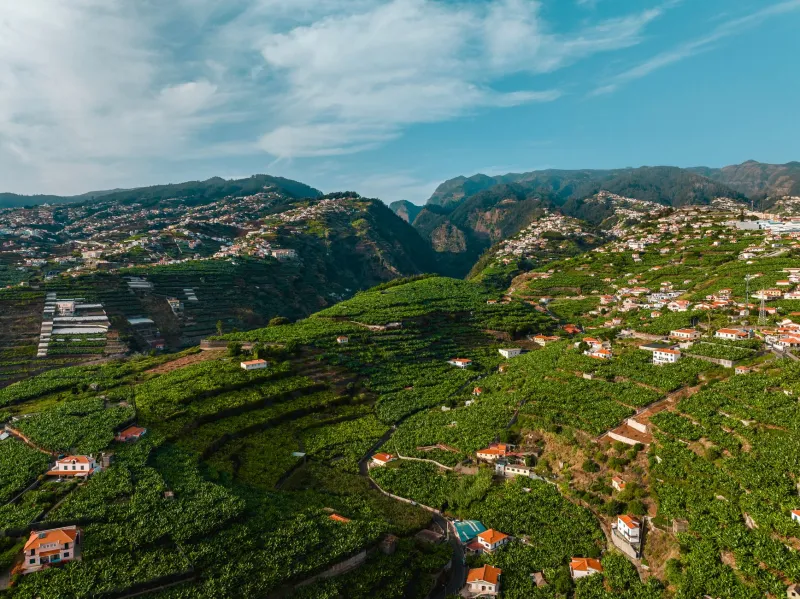
Most people come to Portugal for the coast. The Algarve's limestone cliffs, the golden beaches, the seafood and the sunsets—it's a well-worn script, and it delivers. But somewhere in the hills above all of that, something else is happening. Visitors who wander up into the Monchique mountains tend to leave with a particular expression: a little quieter than when they arrived, a little slower, and already talking about when they can come back.
It's happening often enough that it has a name around here. Locals and repeat visitors have started calling it the Monchique Effect.
What Actually Happens Up Here
Travelers who've been to a lot of places will tell you that most destinations follow a familiar arc. You arrive, you check things off, you go home with photos. Monchique doesn't cooperate with that format. The mountains don't have a landmark you can photograph and feel finished with. There's no single restaurant everyone agrees is the best. The trails don't lead to an obvious summit moment where you think, okay, done, I've seen it.
What they offer instead is something more gradual—and, it turns out, more addictive.
Sarah Denton, a landscape architect from Portland who first visited Monchique three years ago, describes it this way: "I kept waiting for the thing. The big moment. And then on day three I realized I'd been sitting on a terrace for two hours watching the light change on the valley and I hadn't checked my phone once. That was the moment. I just hadn't recognized it as one."
She's been back twice since. She's already booked her fourth trip.
The Psychology of Slow Places
Travel psychologists have been paying closer attention to why certain destinations generate what researchers call "anticipatory nostalgia"—the experience of missing a place before you've even left it. It tends to occur in environments that offer genuine sensory immersion combined with a low cognitive load. In plain English: places that look, smell, and feel distinct, but don't demand much from you mentally.
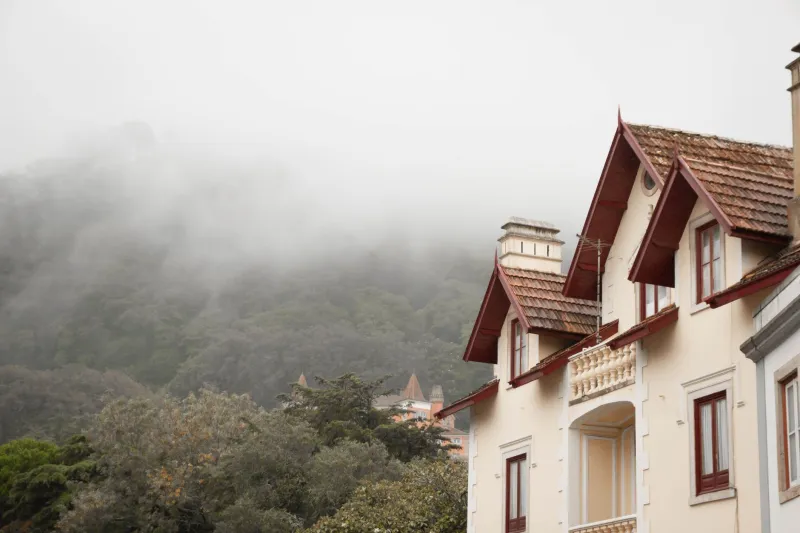
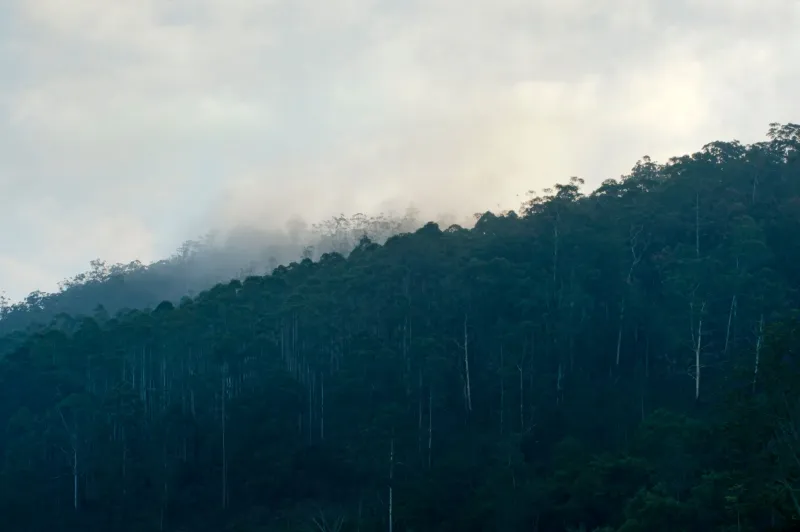
Monchique checks both boxes. The eucalyptus and arbutus forests have a smell that visitors mention unprompted, often years later. The light in the Serra de Monchique has a particular quality—softer than the coast, filtered through altitude and tree cover in a way that slows everything down visually. And the region's pace, the unhurried rhythm of village life, removes the low-grade pressure that most Americans carry around without realizing it.
"We're wired to seek out environments where our nervous systems can genuinely downregulate," says Dr. Marcus Webb, a travel psychologist based in San Francisco who has studied repeat destination behavior. "The problem is that most tourist infrastructure actually works against that. It keeps you busy, keeps you stimulated. Places that allow real stillness are rarer than people think—and when someone finds one, their brain files it as something worth protecting and returning to."
The Hospitality Factor
There's a dimension to the Monchique Effect that goes beyond landscape and pace, and it has everything to do with people. The hospitality in these mountain villages operates on a different frequency than what most American travelers are used to encountering abroad.
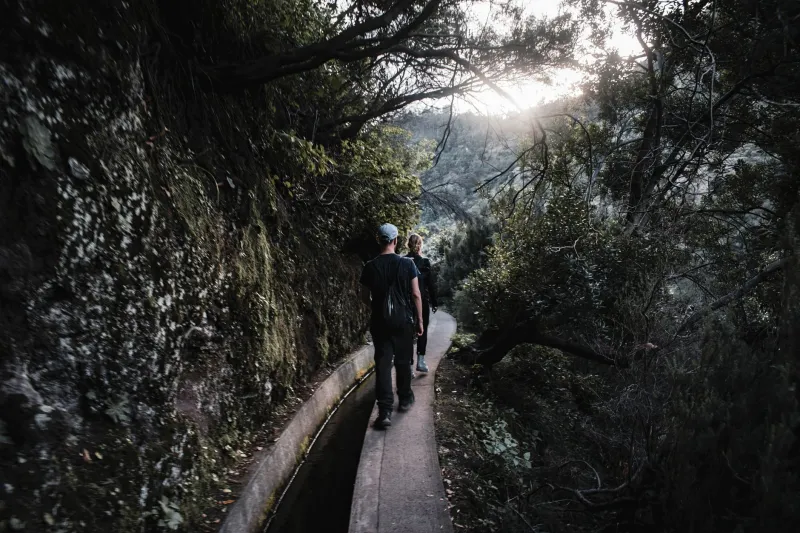
It's not performative. Nobody's working a script. When a guesthouse owner in Monchique asks how your hike was, they actually want to know—and they'll probably tell you about a trail you missed and suggest you try it tomorrow. When the woman running the café in Caldas de Monchique brings you something you didn't order because she thought you'd like it, it doesn't feel like a upsell. It feels like being looked after.
James and Carla Reyes, a couple from Austin who first stumbled into Monchique on a detour from the Algarve coast, say the people were the thing that sealed it. "We'd been traveling for two weeks and doing the whole tourist thing—everyone was friendly enough, but it felt transactional. In Monchique it was different. People remembered us the next day. One guy we met at a restaurant ended up taking us to see a waterfall that wasn't on any map. We're still in touch with him."
They went back the following year. And the year after that.
The Incompleteness Problem
There's another force at work here that's worth naming: Monchique resists completion. Most destinations have a finite checklist—you can, in theory, feel like you've done them. Monchique is structured in a way that makes that feeling impossible. The hiking trails keep revealing new variations depending on the season. The villages each have their own character and could each sustain a full day of wandering. The food changes with what's growing. The light is different in February than it is in September.
Every visit ends with a list of things you didn't get to. Not in a frustrating way—in the way that makes you certain you need to come back.
"I've been four times and I still feel like I've only scratched the surface," says Denton. "Which sounds like a complaint but honestly it's the opposite. I love that there's always more."
What It Does to Your Expectations
Perhaps the most significant thing the Monchique Effect does—and the reason it generates such loyal repeat visitors—is that it quietly recalibrates what people think a vacation is supposed to be.
Many Americans arrive carrying an unconscious assumption that travel should be stimulating, efficient, and Instagram-worthy. Monchique doesn't fight that assumption directly. It just offers something better: the experience of actually resting. Of eating well without rushing. Of walking trails where the only sound is wind through cork oaks. Of sleeping deeply in mountain air.
And once you've had that, the beach resort package starts to look like a pale substitute.
"I don't think I was unhappy with the way I used to travel," says Carla Reyes. "I just didn't know there was another way. Now I can't really go back to the other thing. Monchique kind of ruined me, in the best possible way."
Planning Your Own Return
If you're visiting Monchique for the first time, a few practical notes. The Serra de Monchique offers accommodation options ranging from rural guesthouses to boutique properties, most of which are small enough that you'll actually interact with the people running them—which is, as it turns out, a significant part of the experience. Build in at least three nights; two days isn't enough to let the pace work on you.
And leave some things undone. Don't try to hike every trail or see every village. The things you miss become the reason you come back.
That's not an accident. That's the Monchique Effect doing exactly what it does.