Better Wi-Fi Than Brooklyn: How Monchique's Mountain Villages Became a Digital Nomad's Secret Weapon
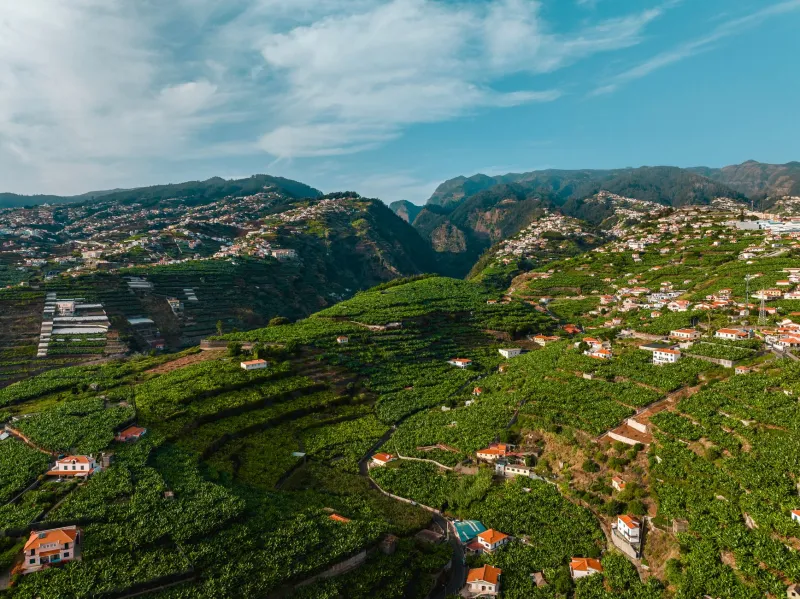
There's a particular kind of irony that hits you when you're sitting on a stone terrace somewhere above Caldas de Monchique, watching a hawk ride a thermal over the eucalyptus canopy, and your Zoom call loads faster than it ever did in your apartment in Austin. You came here half-expecting to unplug. Instead, you find yourself wondering if you ever have to go back.
This is the Monchique paradox — and it's quietly pulling American remote workers, freelancers, and full-time digital nomads into one of Portugal's least-talked-about mountain regions in ways that would have seemed absurd five years ago.
The Infrastructure Nobody Talks About
When most Americans picture rural Portugal, they picture cobblestones, roosters, and the kind of patchy cell service that makes you nervous about Google Maps. The Algarve coast gets all the press — the resort towns, the golf courses, the reliable hotel Wi-Fi. But Monchique, tucked up in the Serra de Monchique above the coastal strip, has been quietly benefiting from something the beach towns don't always advertise: serious EU-backed digital infrastructure investment.
Portugal has been on a mission to close the urban-rural connectivity gap for the better part of a decade. Programs under the broader EU cohesion funding umbrella have pushed fiber-optic rollouts into municipalities that most tourists wouldn't find on a casual search. Monchique, despite its population of just a few thousand, has been part of that push. The result is that many accommodations, cafés, and co-working-friendly spaces in the area offer fiber connections that would make your average Brooklyn coffee shop look like it's running on a DSL modem from 2003.
"I tested it before I committed to staying a month," says Rachel, a UX designer from Portland who now splits her year between Oregon and the Monchique mountains. "I did a speed test from the guesthouse, sent it to my IT team back home as a joke, and they were genuinely confused. They asked me what city I was in."
She wasn't in a city. She was surrounded by medronho trees and the kind of silence that makes you realize how loud American life actually is.
Why Remote Workers Are Choosing Mountains Over Lisbon
Lisbon is having a moment — everyone knows it. It shows up on every "best cities for digital nomads" list, and for good reason. But Lisbon is also getting expensive, crowded, and increasingly familiar in a way that starts to feel a lot like the tech-hub life people were trying to escape in the first place.
Monchique offers something different. The cost of living is dramatically lower, even by Portuguese standards. A comfortable long-term rental in the mountains can run a fraction of what you'd pay for a Lisbon apartment in a neighborhood that's already been discovered by the Instagram crowd. Groceries from local markets are cheap. Lunch at a village restaurant — real food, not tourist food — might set you back eight euros.
But it's not just economics. It's the quality of the actual working day.
Marcus, a software engineer from Denver who spent three months in the Monchique area last year, describes his routine with the kind of enthusiasm that sounds almost suspicious until you hear the details. "I'd wake up, make coffee, do a two-hour hike before my first standup, come back, shower, and be at my desk by ten. My output was the best it's been in years. I think the mountains just reset something."
He's not alone in that assessment. There's a growing body of research suggesting that access to natural environments improves cognitive performance, reduces stress hormones, and increases the kind of sustained focus that deep work demands. Monchique essentially gives you a wellness retreat and a functional home office in the same package.
Finding Your Setup in the Serra
Practical questions matter when you're actually trying to work, not just romanticize the idea of it. So here's what the landscape actually looks like for remote workers considering a Monchique base.
Accommodations with solid connectivity are easier to find than you'd expect, but it's worth confirming specifics before you book. The region has a mix of rural guesthouses, converted farmhouses (quintas), and small boutique properties, and the better ones have invested in their infrastructure knowing that the remote-work crowd is increasingly part of their guest mix. Ask directly about upload speeds if video calls are part of your daily life — download speed alone won't tell you what you need to know.
Backup options matter. Even in well-connected areas, mountain weather can occasionally disrupt service. A local SIM card with a solid data plan is cheap in Portugal and gives you a reliable fallback. NOS and MEO both have reasonable coverage in the Monchique area.
Time zones work in your favor if you're managing US-based clients or teams. Portugal runs on Western European Time, which means you're five hours ahead of the East Coast and eight ahead of the West Coast. Your mornings are genuinely yours — for hiking, for exploring, for sitting with a bica and watching the village wake up — before the Slack messages start rolling in after lunch.
The Community You Didn't Know Was Here
One of the quieter surprises of the Monchique remote-work scene is that there actually is a scene — small, unpretentious, nothing like the co-working circus of Lisbon or the digital nomad hostels of Porto, but real. Word travels through expat forums, through recommendations passed between travelers at the same guesthouse, through the informal networks that form when Americans keep running into each other on the same trails.
"I met another remote worker at a café in Monchique town on my second day," says Rachel. "She was from Seattle, doing content strategy. We ended up co-working together most mornings for two weeks. It wasn't a structured thing — it just happened."
That organic quality is part of what makes this region feel different from purpose-built digital nomad destinations. Nobody's trying to sell you a lifestyle here. The mountains were doing their thing long before remote work was a category, and they'll keep doing it regardless. You're just welcome to pull up a chair.
What You're Actually Trading For
Let's be honest about the tradeoffs, because they exist. Monchique isn't Lisbon. The restaurant scene is smaller. There are no rooftop bars, no co-working spaces with cold brew on tap, no networking events with keynote speakers. If you need that kind of social infrastructure to feel productive and connected, the mountains might feel isolating after a while.
But if what you're trading is the noise, the expense, the performative busyness of American tech-hub culture — for silence, clean air, trails out your back door, food that tastes like it was grown by someone who cared, and internet that actually works — the math gets pretty interesting pretty fast.
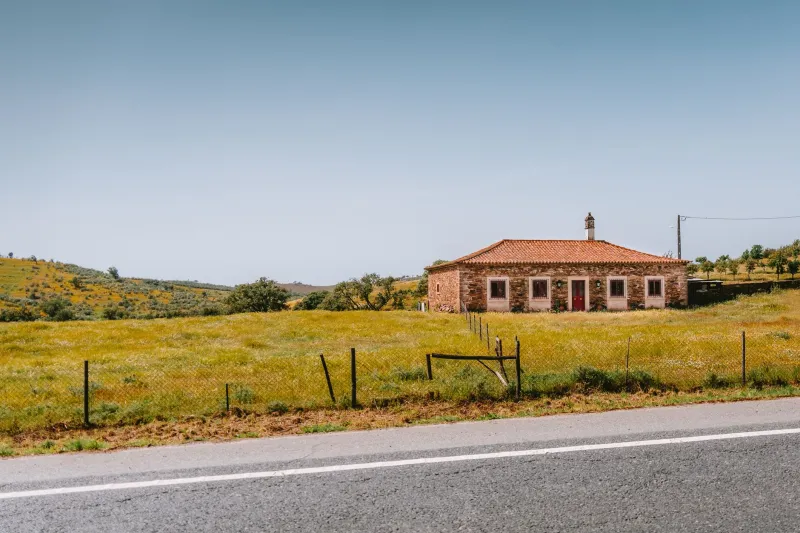
Your city's broadband provider has been charging you $80 a month and still buffering. A hillside in the Serra de Monchique is outperforming it from a stone house that's been standing for two hundred years.
Something about that feels exactly right.