Off the Beaten Path and Loving It: How Monchique's Mountain Villages Became America's Quiet Portugal Secret
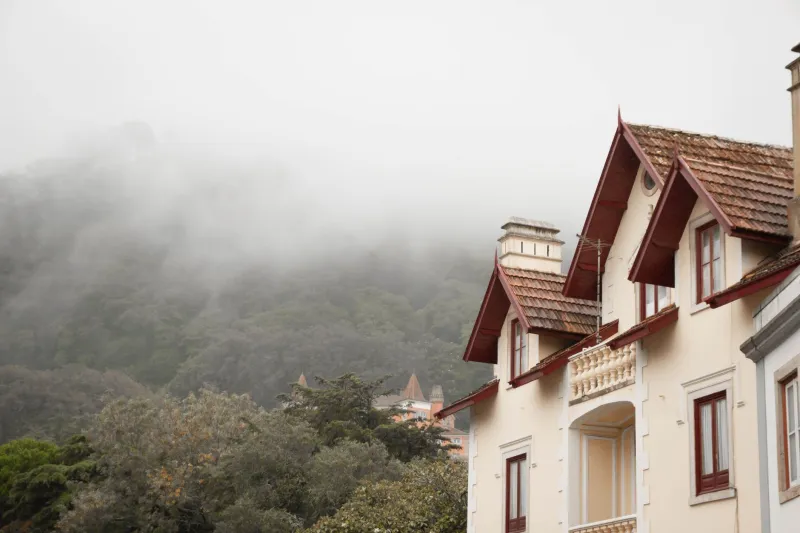
Something unexpected is happening in the hills above the Algarve. American travelers who once booked Lisbon apartments and beach hotels are quietly rerouting their Portugal itineraries toward a cluster of mountain villages most guidebooks barely mention. We went looking for the story behind the shift — and found something bigger than a travel trend.
The Redirect Nobody Planned
Ask most Americans where they're headed when they land in Portugal and you'll hear the same short list: Lisbon, Porto, maybe the Douro Valley wine country, and almost certainly the Algarve coast. Those destinations earned their reputations. They're genuinely excellent. But over the past three to four years, a quiet counter-movement has been gathering momentum — and the Monchique mountains are right at the center of it.
Travel forums like Reddit's r/solotravel and r/portugal have seen a steady uptick in threads asking about the Serra de Monchique. Instagram geotags that barely registered in 2020 are now accumulating thousands of posts. And the hospitality operators in small villages like Alferce and Marmelete — places that once relied almost entirely on Portuguese domestic visitors — are reporting a noticeable surge in American bookings.
The question worth asking isn't just where people are going. It's why.
What Travelers Said They Were Looking For
Spend a few days in the Monchique region talking to recent arrivals from the States and patterns emerge pretty quickly. The language they use is strikingly consistent: they were chasing something they couldn't quite name before they found it.
Sarah, a graphic designer from Portland who spent two weeks based out of a rural quinta near Monchique town last spring, put it plainly. "I'd done Lisbon twice. I love it. But I kept feeling like I was consuming Portugal rather than actually being in it." A recommendation from a colleague who'd visited the year before sent her north from the Algarve coast on what she described as a "test drive" — and she extended her stay by five days.
That pattern — the extension — comes up again and again. Marcus, a high school teacher from Nashville, had allocated three nights to Monchique as a buffer between beach time in Lagos and a flight home from Faro. He ended up canceling his last two nights in Lagos entirely. "There's a pace here that I didn't realize I was desperate for," he said. "I hiked, I ate at a place with four tables where the owner brought out food I didn't order because she thought I'd like it, and I slept better than I had in years."
The Word-of-Mouth Machine
What's driving the traffic to Monchique isn't a major marketing campaign or a splashy travel magazine feature — at least not yet. It's overwhelmingly peer recommendation, amplified by social media in ways that feel organic rather than sponsored.
The dynamic is familiar to anyone who watched places like Chefchaouen in Morocco or Kotor in Montenegro go from obscure to overrun within a few years. But Monchique has something working in its favor that those destinations didn't: genuine geographic friction. Getting here from the coast requires a deliberate decision. You have to want it. That self-selection process means the people arriving tend to be exactly the kind of travelers the region suits best — curious, unhurried, and genuinely interested in what's here rather than just looking for a backdrop for content.
That said, the content is coming. Search for Monchique on TikTok and you'll find a growing library of short videos showcasing fog-draped eucalyptus trails, medronho brandy tastings in century-old distilleries, and hilltop views that stop people mid-sentence. Each one quietly recruits the next wave of visitors.
What the Villages Are Gaining — and Navigating
For the communities themselves, the shift is bringing real economic energy to places that had been slowly hollowing out. Young people who left for Portimão or Faro in search of work are seeing new possibilities back home. A handful of properties that sat empty for years have been renovated into small guesthouses. Local artisans who make everything from cork goods to hand-painted ceramics are finding international buyers for the first time.
But it's not without tension. The residents of these villages didn't sign up to become a tourism product, and there's a genuine awareness among the more thoughtful operators in the area that the thing drawing people here — the authenticity, the slowness, the sense of stumbling onto something real — is exactly what poorly managed growth tends to destroy.
Ana, who runs a small agriturismo outside Caldas de Monchique with her husband, is candid about the balance she's trying to strike. "We want visitors. We need them, honestly. But we want visitors who come to be here, not just to say they've been here." She's started turning down booking requests that arrive with lists of demands that feel misaligned with what her property actually offers. "We're not a resort. We're a working farm that happens to have rooms."
The Psychology of Discovery
There's a particular satisfaction that comes from finding a place before it's fully found — and American travelers, who have watched their favorite "hidden gems" go from secret to saturated within a news cycle, have become acutely attuned to that feeling. Monchique is hitting at exactly the right moment: established enough to have reliable infrastructure, unknown enough to still feel like a genuine find.
Travel psychologists sometimes call this the "explorer effect" — the cognitive and emotional reward that comes from being slightly ahead of the crowd. It's part of why word-of-mouth carries so much more weight than advertising for destinations like this. When a friend tells you about Monchique, you're not just getting information. You're being invited into a small circle of people who know something others don't.
That dynamic has a shelf life, of course. The very act of telling the story accelerates the timeline. But for now, the Serra de Monchique occupies a genuinely rare position: a place with real depth, real character, and just enough visibility to be accessible without being overrun.
What to Know Before You Go
If you're ready to make the turn off the coast road and head into the hills, a few practical notes. The mountain villages are best explored with a rental car — public transport exists but runs on its own schedule. Portuguese is spoken almost exclusively in the smaller hamlets, so a translation app earns its keep. And the hospitality here runs on a different clock than what you might expect: meals take as long as they take, service is warm but unhurried, and that's the whole point.
Book accommodations early if you're traveling between April and October — the word is out enough that the best small properties fill up. And resist the urge to pack your days. The traveler's instinct to optimize every hour is the thing Monchique will quietly dismantle if you let it.
That, more than anything, might be what's drawing people here. Not a list of things to do, but permission to stop doing — at least for a while.