Aging Slower in the Serra: What Monchique's Mountain Villages Might Be Teaching Us About Growing Old
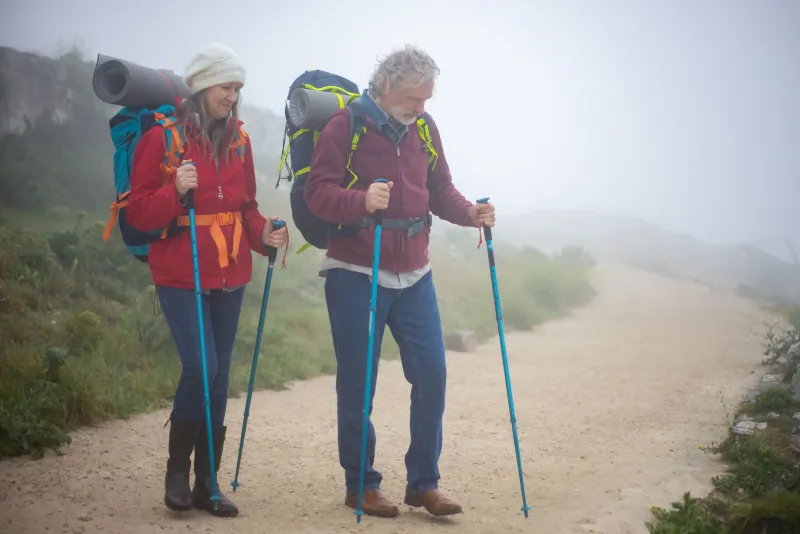
Linda Carver moved to a small village just outside Monchique eight years ago, at 57, after three decades of commuting into Chicago. She wasn't looking for a fountain of youth. She was looking for a quieter life. What she found, she says, surprised her.
"My doctor back home told me my blood pressure numbers had been creeping up for years," she says, leaning back on the terrace of her stone cottage with a view of eucalyptus-covered hills. "Six months after I got here, they were the best they'd been since my forties. I hadn't changed my medication. I'd just changed my zip code."
Her story isn't unique. Spend any time talking to long-term American expats in the Monchique region and a pattern starts to emerge — one that's harder to dismiss as coincidence the more people you speak with.
What's Actually Different Here
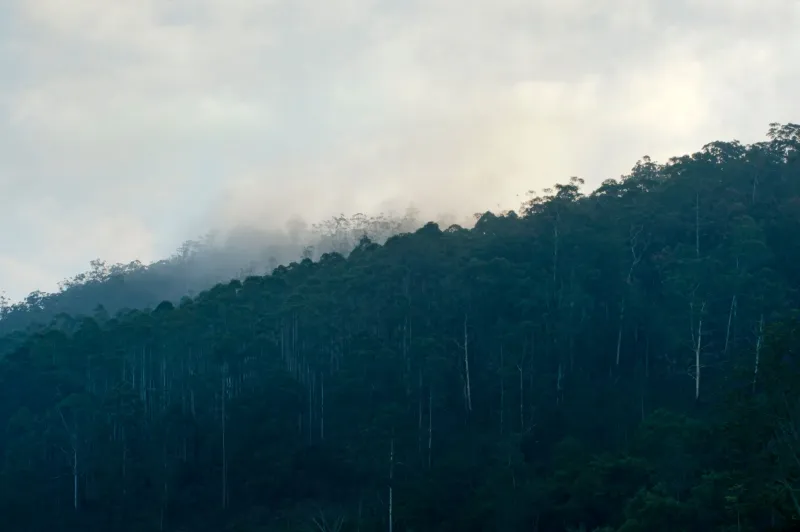
Monchique sits at altitude, tucked into the Serra de Monchique in the western Algarve. The highest peak, Fóia, tops out just over 2,900 feet — not exactly the Rockies, but enough to give the air a different quality than the coastal towns just 30 miles south. Researchers have long noted that moderate altitude living correlates with lower rates of cardiovascular disease, though the reasons are still being untangled. What's clear is that the air here carries a crispness that the beach resorts simply don't offer.
But altitude is probably the least interesting part of this story.
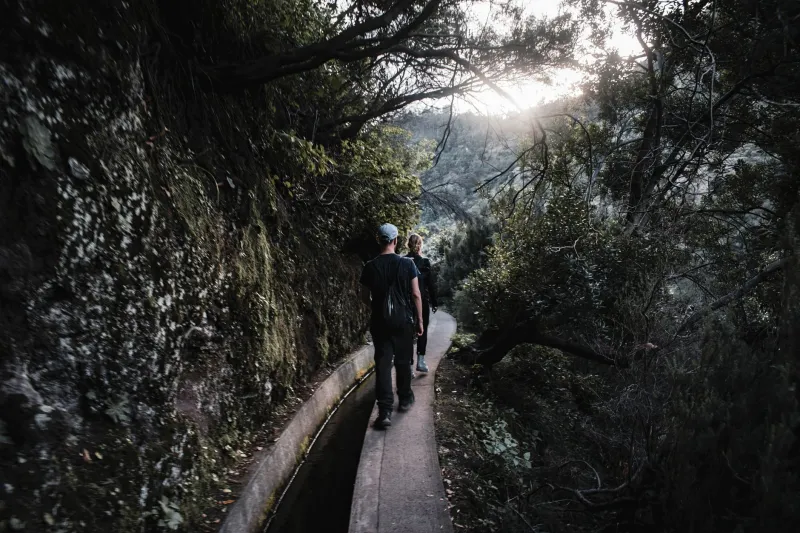
The more compelling factors are cultural. In Monchique, walking isn't a wellness activity you schedule between meetings — it's just how life works. The villages are built on hillsides. The markets require a climb. The neighbors are reached on foot. Americans who relocate here often describe a gradual, unconscious shift from sedentary to active, not because they joined a gym, but because the built environment demands movement.
"Back in Atlanta, I drove everywhere," says David Marsh, 64, who has lived near Caldas de Monchique for five years. "Here I walk to get coffee, walk to the market, walk to a friend's place. I probably log four or five miles a day without even thinking about it. That never happened in my life before."
The Table as Medicine
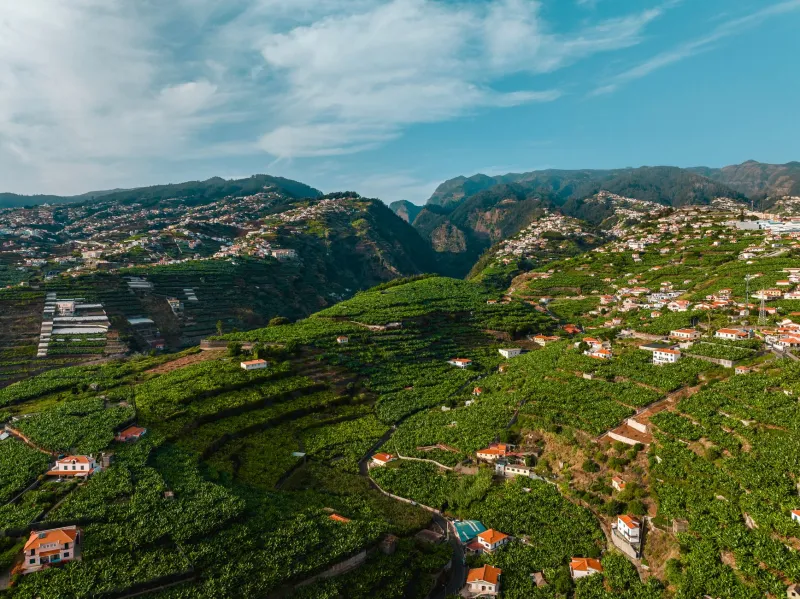
Then there's the food. The Monchique region sits at the intersection of traditional Alentejo and Algarve culinary influences — think slow-cooked pork, fresh vegetables from nearby farms, olive oil used generously, and meals that are events rather than errands. The medronho, a local firewater distilled from arbutus berries, is consumed in small quantities with the kind of ceremony that makes moderation feel natural.
Americans arriving from a culture of fast food and desk lunches often describe the shift to local eating patterns as one of the biggest changes they didn't anticipate. Meals here tend to be social, unhurried, and built around ingredients with short supply chains.
"I eat more here than I ever did in the States," laughs Carver. "But it's real food. And I sit down for it. I'm not eating over a keyboard."
Whether that translates into measurable longevity is harder to say. But the Mediterranean-adjacent diet that characterizes this region has been studied extensively, and the evidence for its cardiovascular and anti-inflammatory benefits is among the most consistent in nutritional science.
Community as a Health Factor
Perhaps the least quantifiable — and most frequently mentioned — element is community structure. Monchique's villages operate at a human scale. Neighbors know each other. Shopkeepers remember your name after a week. The social isolation that has become an almost accepted feature of American suburban life simply doesn't exist here in the same way.
Gerontologists have increasingly flagged loneliness as a serious health risk — some studies place its impact on mortality on par with smoking 15 cigarettes a day. In Monchique, that particular risk factor appears to dissolve naturally.
"I had more neighbors in my cul-de-sac in Ohio than I do in my village here," says Marsh. "But I knew none of them. Here, I know everyone. People check on you. There's an assumption of connection."
For expats who arrived in their late fifties or sixties — an age when social networks back home often start to contract as careers wind down and friends move or pass away — the village structure of Monchique seems to offer something genuinely restorative.
Is It the Place or the Choice?
Here's the honest question worth asking: are people aging better in Monchique because of the mountains, or because anyone bold enough to uproot their life in their fifties and move to a Portuguese hillside village is probably the kind of person who takes their health seriously anyway?
It's a fair point. Self-selection matters. The expats who end up in Monchique tend to be curious, active, and intentional about how they live. Those traits alone are associated with better health outcomes.
But even accounting for that, the place itself seems to do something. The chronic low-grade stress that defines American working life — the traffic, the noise, the financial anxiety, the relentless pace — is largely absent here. Cortisol levels, the body's primary stress hormone, have measurable effects on everything from cardiovascular health to immune function to cognitive decline. And the rhythms of mountain village life seem almost architecturally designed to keep cortisol in check.
"I don't know if I'm going to live longer here," says Carver. "But I know I feel younger than I did at 57. That has to count for something."
What It Means for a Visit
You don't have to sell your house to feel the Monchique effect. Even a week in the mountains — walking the trails, eating slowly, sitting on a terrace without checking your phone — tends to register in the body in ways that a beach vacation simply doesn't replicate.
Several guesthouses and rural tourism properties in the area are specifically designed around slower, more intentional stays. The idea isn't luxury in the traditional sense; it's about giving guests enough time and enough quiet to actually decompress.
Whether the benefits last beyond the trip is, of course, the bigger question. But for the Americans who've decided to stay — and there are more of them every year — the answer seems to be yes. The mountains, the walks, the food, the neighbors: taken together, they appear to add up to something that's harder to find back home, and harder to leave once you've found it.